
Anodizing grows a hard oxide layer from the aluminum itself, giving a metallic, integral finish in a limited range of shades. Powder coating applies a cured resin film on top, offering nearly unlimited colors, textures and AAMA-rated weather performance. For most window frames and storefronts, powder coating wins on color choice, consistency, repairability and lead time; anodizing suits designs that want a true metallic look.
 By Jarod Hammar, Owner of H-Town Coaters · Published · Updated
- Anodizing converts the aluminum surface; powder coating adds a cured film on top.
- Powder offers nearly any color; anodizing is limited mostly to clear, bronze and black shades.
- Anodizing can show extrusion marks and color variation; powder hides them.
- Powder is easier to touch up and to match across components from different suppliers.
- Anodizing suits a true metallic look and very high abrasion areas.
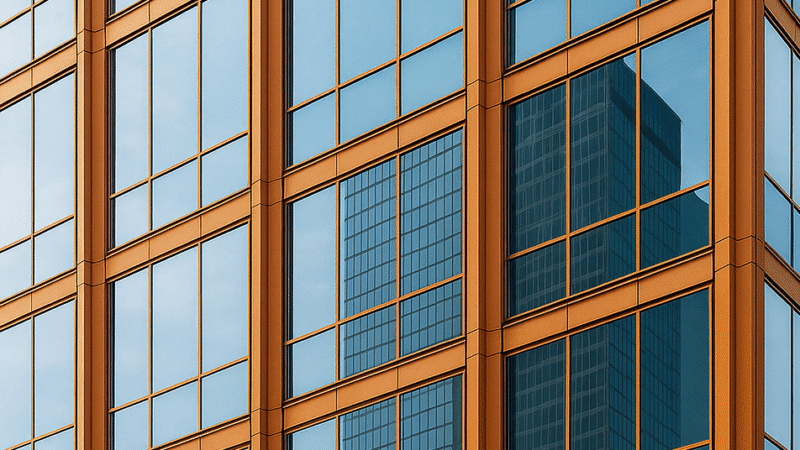
Anodizing and powder coating are the two most common finishes for aluminum window frames, storefronts and curtain wall. They are often compared as if they were two versions of the same thing, but they work in completely different ways. Understanding that difference makes it much easier to choose. This guide compares the two on appearance, durability, color, repairs, cost and lead time, and explains why powder coating is the better choice for most window and storefront projects. It is part of our architectural powder coating guide.
How anodizing works
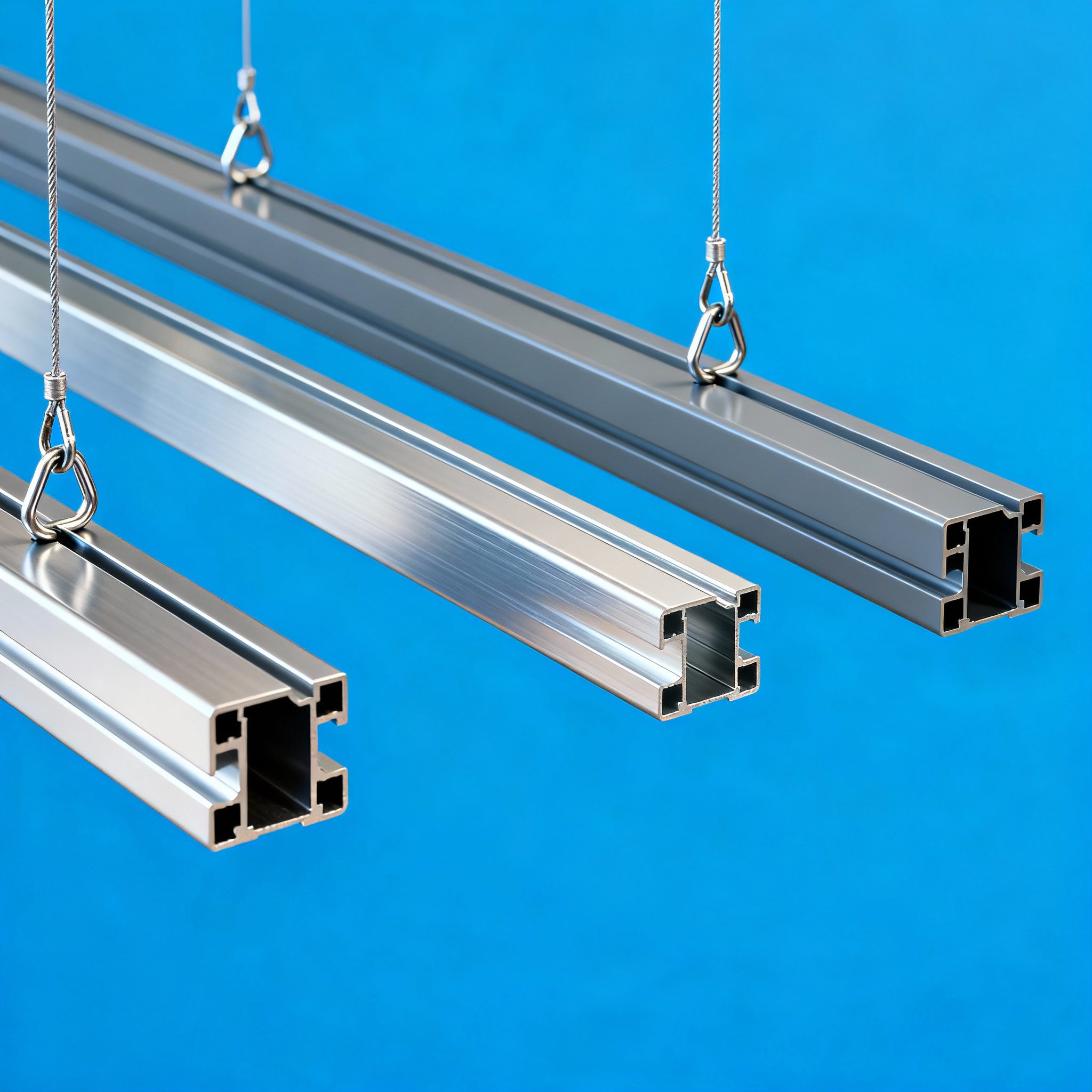
Anodizing is an electrochemical process. Aluminum parts are placed in an acid bath and used as the anode in an electrical circuit. The current grows a layer of aluminum oxide out of the metal itself. That layer is porous at first, so it can be colored with dyes or with metallic salts (electrolytic coloring, which produces bronze and black shades), and then sealed. The result is a hard, integral finish that is part of the aluminum rather than sitting on top of it. Because the finish is translucent, the metal’s own appearance shows through.
How powder coating works
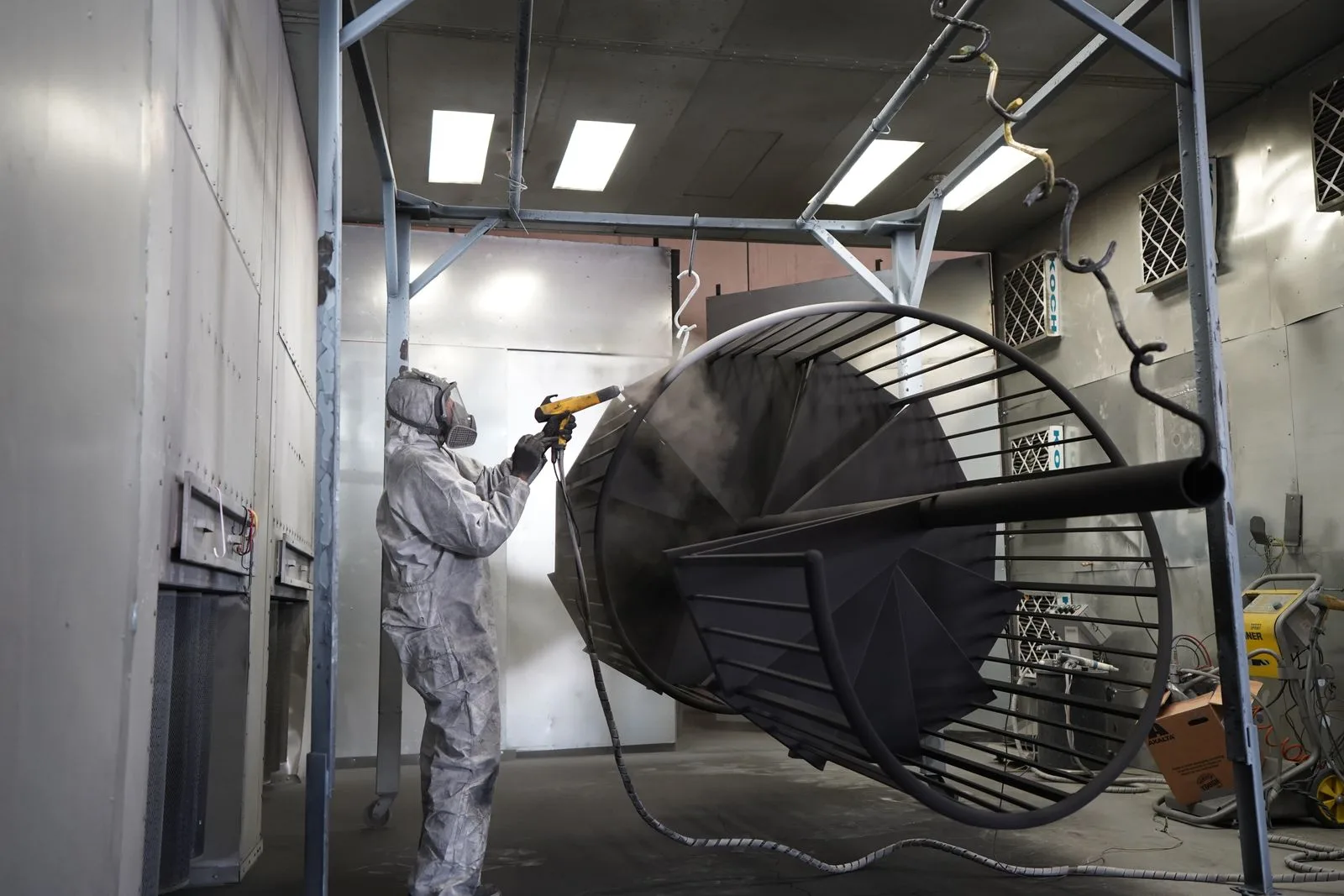
Powder coating is a surface coating. Aluminum is cleaned, etched and given a conversion coating, then electrostatically sprayed with a dry powder of resin and pigment and cured in an oven. The powder melts, flows and crosslinks into a continuous film that bonds to the pretreated surface. Because the film is opaque, it hides the metal underneath, and it can be any color, gloss or texture the powder manufacturer can produce. See powder coating aluminum extrusions.
Side-by-side comparison
| Anodizing | Powder coating | |
|---|---|---|
| What it is | Oxide layer grown from the aluminum | Cured resin film bonded to pretreated aluminum |
| Appearance | Metallic, translucent; shows the metal | Opaque; solids, metallics, textures and special effects |
| Color range | Mostly clear, champagne, bronzes and black | Hundreds of standard colors plus custom matches |
| Color consistency | Can vary with alloy, batch and extrusion surface | Very consistent when the same powder batch is used |
| Hides extrusion marks | No; can emphasize them | Yes |
| Hardness and abrasion | Very hard surface | Tough and flexible, but softer than anodic oxide |
| UV performance | Excellent for clear and electrolytic colors; some dyes fade | Excellent with AAMA 2604 and 2605 powders |
| Chemical sensitivity | Damaged by strong acids and alkalis, including some cleaners and wet mortar | Good resistance to most building chemicals |
| Field repair | Very hard to touch up invisibly | Touch-up paint matched to the powder color |
| Standards | AAMA 611 (Class I and Class II) | AAMA 2603, 2604, 2605 |
Color: the biggest difference
For many projects, color decides the question. Anodizing is limited to a narrow palette, and even within that palette, shades can vary noticeably between batches and between extrusions from different alloys or dies. Matching anodized framing to anodized panels or hardware from another supplier can be difficult. Powder coating offers nearly unlimited choice, from classic architectural bronzes and blacks to whites, grays, brand colors, textures and metallic or anodized-look finishes, and it keeps that color consistent when one product and batch is used across the building. See powder coating color matching.
Durability in real-world conditions
Both finishes can last decades when properly specified. Class I anodizing, the thicker class, performs well on exteriors, while thinner Class II is more common inside. On the powder side, super-durable powders meeting AAMA 2604 are standard for exteriors, and fluoropolymer powders meeting AAMA 2605 are available for the most demanding projects. Where they differ is in how they fail: anodizing can be etched by alkaline cleaners, wet concrete and mortar, which leave permanent marks; powder coatings resist these site chemicals better but can be scratched more easily. In Houston’s humid, salty air, both need proper processing and maintenance, and powder needs good pretreatment to avoid filiform corrosion at cut edges. See AAMA 2603 vs 2604 vs 2605.
Repairs and replacement parts
Scratches and damage are inevitable during construction. Damaged anodized surfaces are very difficult to repair invisibly; the usual fix is replacing the part, and the replacement may not match because of batch variation. Powder-coated parts can be touched up with color-matched paint, and replacement parts can be coated with the same powder product, often from records kept with the original job.
Lead times and logistics
Anodizing requires specialized line capacity, and anodized or factory-finished extrusions can carry long lead times. Powder coating is widely available, and coaters can coat raw stock extrusions in standard extruder colors, which can shorten schedules on storefront and glazing projects. Ask about lead times early, especially for large or phased projects.
Cost comparison
Costs depend on size, quantity, class or performance level and color. Clear Class II anodizing on simple profiles can be economical, while Class I bronze and black finishes cost more. Standard colors in AAMA 2604 powders are typically competitive, and AAMA 2605 powders, metallics and custom colors cost more. Because powder makes repairs, replacements and matching easier, its total project cost is often lower even when unit prices are similar. See how much does powder coating cost.
When anodizing is the right choice
- The design calls for a true metallic, translucent appearance
- Very high abrasion areas, such as door pulls and thresholds, where hardness matters most
- Projects standardized on anodized finishes for consistency with existing buildings
When powder coating is the right choice
- Any color beyond clear, bronze and black, including brand and custom colors
- Projects combining components from several fabricators that must match
- Jobs where construction damage and touch-up are likely
- Schedules that cannot absorb long finish lead times
- Designs that use textures, metallic effects or decorative finishes
Anodizing classes explained
Architectural anodizing is described by AAMA 611, which defines classes by the thickness of the anodic layer. Class I, the thicker coating, is intended for exterior use and high-traffic areas. Class II is thinner and is generally used indoors or in low-exposure exterior applications. Thickness matters because the anodic layer slowly weathers over time; thicker layers last longer. When comparing quotes, confirm the class, because a Class II price is not comparable with a Class I finish or with an AAMA 2604 powder.
Maintenance differences
Both finishes need regular cleaning, but they are sensitive to different things. Anodized aluminum should never be cleaned with strong alkaline or acidic products, which can etch the surface permanently, and it must be protected from wet mortar, concrete and masonry cleaners during construction. Powder-coated surfaces tolerate most mild building cleaners but should be protected from abrasive pads and strong solvents. In both cases, a mild detergent, soft cloth and clean water rinse a few times a year keep finishes looking their best. See powder coating maintenance.
Mixing finishes on one project
Some buildings combine anodized and powder-coated elements, for example anodized storefront framing with powder-coated sunshades and railings. That can work well when the relationship is intentional. Powder manufacturers offer anodized-look finishes that blend with clear and bronze anodizing, and samples should be compared side by side in daylight. The challenge is consistency: anodized shades vary, while powder stays uniform, so matching a specific anodized batch can take several samples.
Refinishing anodized aluminum with powder
When anodized framing or panels have faded, stained or been etched, removable components can be prepared and powder coated, either in a fresh anodized-look finish or a completely new color. The anodic layer and any contamination are addressed during preparation so the powder bonds properly. This is a common way to update older buildings without replacing aluminum.
Environmental comparison
Both finishes are considered relatively clean compared with solvent-based paints. Anodizing uses acid baths, coloring solutions and sealing processes that generate wastewater requiring treatment. Powder coating uses chemical pretreatment as well, but the coating itself contains no solvents and overspray can often be reclaimed. Both finished products are recyclable with the aluminum. See is powder coating eco-friendly.
Quick decision guide
- Need a specific color, texture or brand match? Powder coating.
- Need components from several suppliers to match exactly? Powder coating.
- Want a true, translucent metallic look? Anodizing, or an anodized-look powder.
- Expect construction damage and touch-ups? Powder coating.
- Coastal or high-rise exterior? AAMA 2605 powder or Class I anodizing, with proper maintenance.
The bottom line
Anodizing is an excellent finish for designs built around a metallic look. For most window frames, storefronts and mixed architectural packages, powder coating delivers more color choice, better consistency, easier repairs and comparable long-term performance, which is why it has become the default finish for commercial aluminum.
Window frames and storefronts in Houston
H-Town Coaters powder coats window, door and storefront extrusions for glazing contractors and fabricators across Greater Houston, using AAMA-rated powders. Learn about our architectural powder coating and glass and mirror frame coating, or request a quote through the free quote form.
Frequently asked questions
For most projects powder coating is the better fit because of its color range, consistency across components, repairability and AAMA-rated performance. Anodizing is a good choice when a true metallic appearance is the priority.
Both can last decades when properly specified. Class I anodizing and AAMA 2605 powders are both long-lived; durability depends on the class or level chosen, the environment and maintenance.
Yes, with proper preparation. Anodized surfaces usually need to be stripped or prepared so the powder can bond.
Anodizing depends on the alloy and surface of each extrusion, so batches and pieces can vary in shade, especially in bronze and black.
Anodized layers are very hard and resist abrasion well. Powder coatings are softer but more flexible and easier to touch up.
Yes. Many architectural powders, including metallic and anodized-look finishes, imitate clear and bronze anodized appearances.
Jarod grew H-Town Coaters from Cutting Edge Powder Coating into a process-driven coating partner for manufacturers, fabricators, contractors and businesses across the Houston area. More about H-Town · LinkedIn