
Powder coating cost depends mainly on part size and shape, how much preparation the metal needs, masking, the powder and number of coats, quantity, and turnaround. Small, simple parts in a stock color cost the least; large, rusty or heavily masked parts with custom colors or multi-coat systems cost the most. A written quote prices each of these.
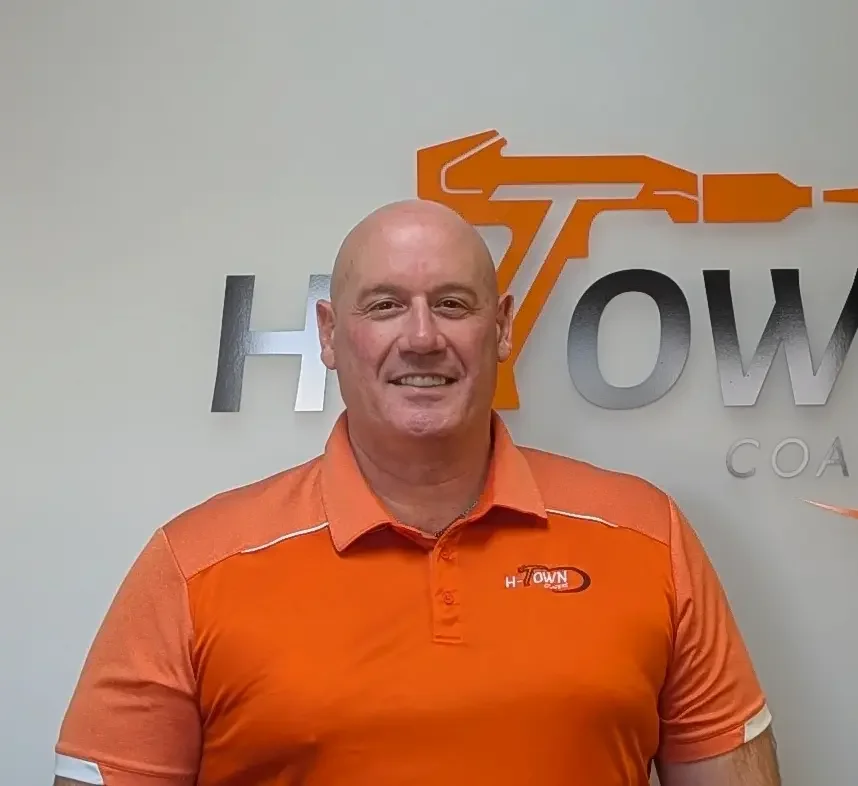 By Jarod Hammar, Owner of H-Town Coaters · Published · Updated
- Size, prep, masking, powder, coats, quantity and turnaround set the price.
- Preparation and masking are often bigger cost drivers than the powder itself.
- Stock colors and single coats are cheapest; custom colors, metallics and multi-coat systems cost more.
- Repeat orders and good batch planning lower the cost per part.
- Compare quotes line by line; a low number often leaves out prep or masking.
Powder coating prices are built from a handful of predictable factors. Once you understand them, you can read quotes with confidence, compare shops fairly and plan projects that cost less per part. This guide explains each cost driver, how professional coaters price jobs and practical ways to lower your total. For how H-Town Coaters prices work, see our powder coating pricing page.
What determines the cost of powder coating?
Every quote balances the same seven factors:
- Part size and shape. Bigger parts use more powder and take more space on the line and in the oven. Complex shapes with deep corners, tubes and mesh take more time to coat evenly.
- Surface preparation. New, clean metal is the cheapest to prepare. Rust, mill scale, old paint, old powder, grease or heavy forming oil all add stripping, blasting and cleaning time.
- Masking. Threads, holes, bearing surfaces, ground points and gasket faces have to be plugged or taped. Masking is hand labor and can be the largest line on some quotes.
- Powder and coats. A single coat of a stock color is the baseline. Primers, clear coats, multi-layer effect finishes, metallics and high-performance powders add material, handling and oven cycles.
- Quantity. Setup, racking and color changes are shared across the order, so the cost per part drops as quantity rises.
- Turnaround. Standard scheduling lets the shop batch similar colors and parts. Rush work disrupts the schedule and usually costs more.
- Handling and packaging. Heavy items, fragile finished surfaces and individually wrapped parts add labor at the end of the job.
How professional coaters build a quote
Most industrial and commercial shops quote per project rather than from a fixed price list, because no two jobs combine these factors the same way. A coater reviews photos or drawings, dimensions, material, condition, quantity, color, masking callouts and deadline, then estimates labor for prep, masking, racking, coating, curing, inspection and packaging, plus powder and any special materials. Some shops price by the piece, others by the rack, square foot or linear foot, especially for architectural extrusions and sheet goods.
A good quote lists what is included. If a quote does not mention blasting, pretreatment or masking, ask whether they are included before you compare it with another shop’s number. Our checklist for choosing a powder coating company shows what a complete quote should contain.
Cost drivers compared
| Factor | Lower cost | Higher cost |
|---|---|---|
| Condition | New, clean, bare metal | Rust, scale, old paint or powder to remove |
| Shape | Flat, open parts | Mesh, deep recesses, tubes, intricate assemblies |
| Masking | None or a few plugs | Many threads, ground points, tight tolerance surfaces |
| Color | Stock color, one coat | Custom match, metallic, texture, clear or multi-coat |
| Performance | Indoor polyester or hybrid | Primer plus topcoat, AAMA 2605, high-temperature powders |
| Quantity | Repeat, batched production | One-off small orders |
| Schedule | Standard lead time | Rush or after-hours |
Why preparation affects price so much
Preparation is the part of the job buyers see least and the part that most affects how long the finish lasts. Removing rust and old coatings can take longer than coating the part. Skipping it to save money leads to peeling, bubbling and early rust, and redoing failed coating costs far more than doing the prep right the first time. Read why surface preparation matters and media blasting before powder coating.
Powder coating vs paint: comparing cost over time
On the first application, powder coating and quality liquid paint can be close in price. The difference shows up over time. Cured powder is thicker and tougher, resists chipping and fading better and needs fewer touch-ups, so items are refinished less often. For equipment, railings, furniture and architectural metal that would otherwise be repainted every few years, powder coating usually has the lower lifetime cost. The full comparison is in powder coating vs paint.
Refinishing vs replacing
For worn but structurally sound metal, such as patio furniture, railings, racks or equipment frames, stripping and recoating is often far cheaper than buying new. The decision depends on the condition of the metal, the cost of removal and reinstallation, and how long the refinished item needs to last. See powder coating maintenance, recoating and ROI.
How to lower your powder coating cost
- Send clean parts. Remove grease, oil, tape residue and silicone sprays before delivery when you can.
- Design for coating. Avoid sealed hollow sections, break sharp edges and add hang holes where they will not show.
- Mark only necessary masking. Every masked feature adds labor; call out what truly needs it.
- Choose stock colors. Standard RAL colors avoid custom powder minimums. Browse our RAL color library.
- Combine and repeat orders. Grouping parts of the same color and running repeat part numbers spreads setup cost.
- Plan ahead. Standard lead times let the shop batch your work instead of interrupting the line.
- Match the system to the environment. Do not overspecify indoor parts, and do not underspecify outdoor or coastal parts that will need recoating sooner.
Hidden costs of choosing on price alone
The cheapest quote is not always the lowest cost. Thin film, skipped pretreatment or an indoor powder used outdoors can look fine on delivery and fail within a season. The real cost then includes removal, reinstallation, downtime and a second coating bill. When comparing quotes, confirm prep method, powder type, film thickness, quality checks and what happens if parts fail inspection. Read powder coating warranties and accountability.
What to send for an accurate quote
- Photos or drawings with overall dimensions and approximate weight
- Material and current condition (new, rusted, previously coated)
- Quantity now and expected repeat volume
- Color (RAL or manufacturer code), gloss and texture
- Indoor, outdoor or coastal use and any required standard
- Masking requirements and your deadline
Cost by project type
Different kinds of work have different main cost drivers. Knowing which one dominates your project tells you where you have room to save.
| Project type | What usually drives the price | Where you can save |
|---|---|---|
| Architectural extrusions and panels | Length, AAMA performance level, color consistency and batch control, protective packaging | Standard colors, full-project ordering in one batch |
| Railings, gates and fencing | Size, welds, existing rust or paint, hanging large sections | Sending sections unassembled, removing old hardware first |
| Sheet metal enclosures and cabinets | Masking of threads, studs and ground points; cosmetic packaging | Consistent masking callouts, reusable custom masks for repeat parts |
| Production and OEM parts | Racking density, setup, repeat schedule | Forecasts, stocked powder, batched releases |
| Oil and gas equipment | Blast standard, two-coat systems, heavy steel cure time, inspection | Clean welds, vented members, early spec sharing |
| Restaurant and patio furniture refinishing | Stripping old coating and rust, mesh and intricate shapes | Refinishing full sets together in one color |
Custom colors and special finishes
Solid stock colors are the most efficient finish to apply. Prices rise as the finish gets more involved. Custom color matches may require ordering a minimum quantity of powder made to your sample. Metallic and pearl powders often need a clear topcoat for durability. Candy and translucent finishes need a base coat and a tinted coat, and textured or hammertone powders behave differently on the line. Multi-step decorative finishes such as aged-metal and patina looks require several layers and careful handling. These finishes are worth it when appearance drives the project; they are an unnecessary expense on parts no one will see. See powder coating color matching and Polychrotina aged-metal finishes.
Questions to ask before you accept a quote
- How will each material be prepared, and is blasting or pretreatment included?
- Which powder and chemistry will be used, and is it rated for indoor, outdoor or coastal use?
- What film thickness will be applied, and how is it checked?
- Which surfaces will be masked, and are plugs and tape included in the price?
- Is the quote per piece, per rack or per job, and is there a minimum charge?
- What is the lead time, and what does a rush cost?
- How will finished parts be packaged and returned?
- What happens if parts do not pass inspection?
Clear answers to these questions protect your budget more than a slightly lower number on the first page of a quote.
Budgeting for large or phased projects
On construction and fabrication projects, coating is often priced early and delivered late. Include allowances for field touch-up paint, replacement pieces damaged during installation and any late design changes that add parts. For phased projects, ask the coater to hold powder from the same batch or record batch numbers so later phases match earlier ones. Planning these details up front avoids change orders and color mismatches at the end of the job.
Get a written powder coating quote
H-Town Coaters provides free, written quotes for industrial, architectural, oil and gas, sheet metal, medical and commercial work from our Houston shop. Send your details through the quote request form or call 832-672-7111.
Frequently asked questions
The first coat can cost about the same or more than paint, but powder coating usually lasts longer and needs less touch-up, so the cost over the life of the part is often lower.
Usually because they include different prep, masking, powder or coats. Compare what each quote covers, not just the total.
Yes. Stock colors are the most economical. Custom matches, metallics, textures, candies and clear coats add material and sometimes extra coats.
Many coaters have a minimum charge per job because the oven and line cost the same to run for one part or many. Ask about it when you request a quote.
Send clean parts, combine orders, choose stock colors, mark only the masking you need and give realistic lead times so jobs can be batched.
Most industrial and commercial work is quoted per project because size, prep and quantity vary so much. See our pricing page for how jobs are priced.
Jarod grew H-Town Coaters from Cutting Edge Powder Coating into a process-driven coating partner for manufacturers, fabricators, contractors and businesses across the Houston area. More about H-Town · LinkedIn