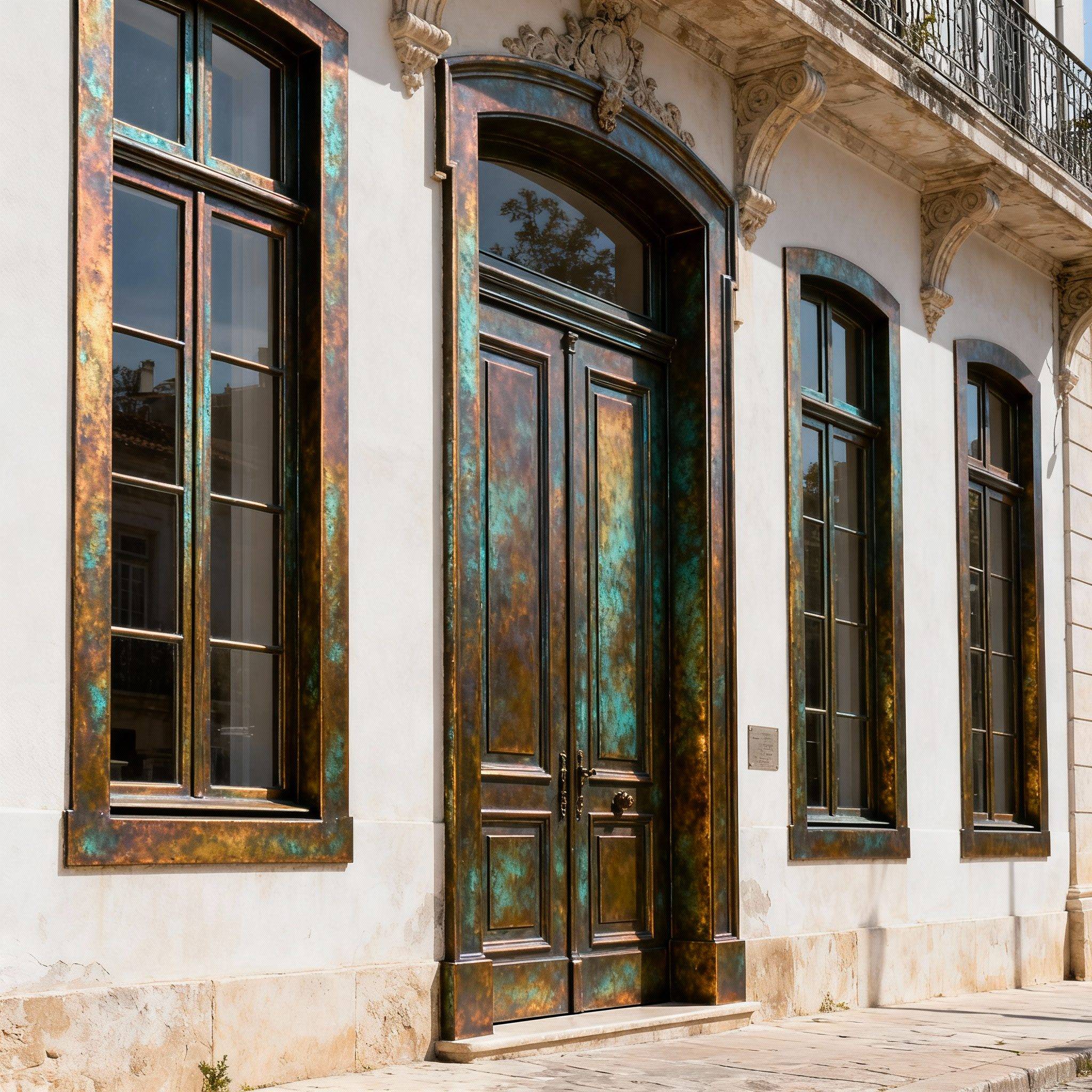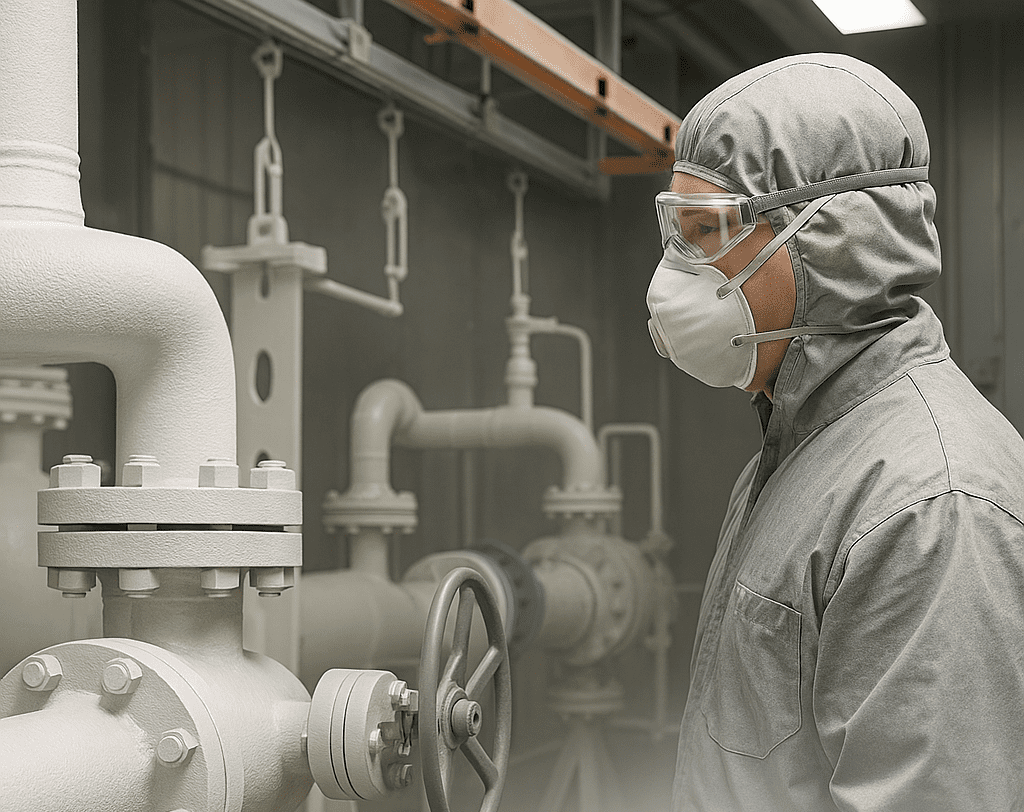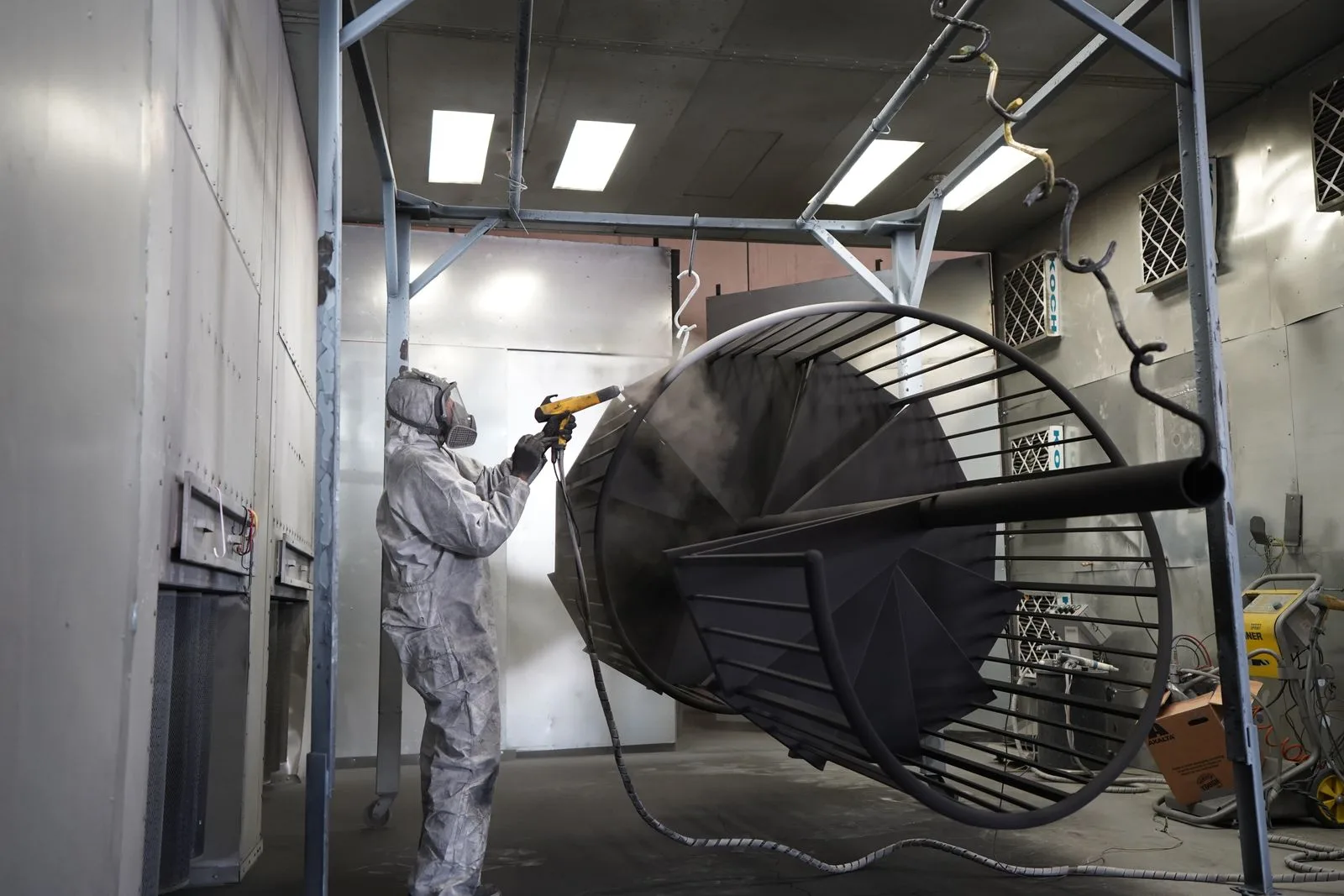

Powder coating is the most common finish for architectural aluminum extrusions because it offers a wide color range, strong UV and corrosion resistance and AAMA-rated performance without solvents. Aluminum needs its own preparation, cleaning, etching and a conversion coating, so the powder bonds and resists filiform corrosion. Long extrusions also need careful racking, film control and packaging.
 By Jarod Hammar, Owner of H-Town Coaters · Published · Updated
- Powder is the leading finish for window, door, storefront and curtain wall extrusions.
- Aluminum must be cleaned, etched and given a conversion coating before coating.
- AAMA 2604 and 2605 powders deliver long-term color and gloss retention.
- Long, thin profiles need careful racking, even film and protective packaging.
- Coating raw stock extrusions can shorten lead times compared with mill-finished packages.
Aluminum extrusions frame most commercial buildings: windows, doors, storefronts, curtain wall, railings, louvers and trim. Powder coating has become the leading finish for these profiles because it combines durability, color choice and AAMA-rated performance in a solvent-free process. This guide explains the benefits, how aluminum must be prepared, which performance levels to specify and what to watch for when coating long profiles. It is part of our architectural powder coating guide.
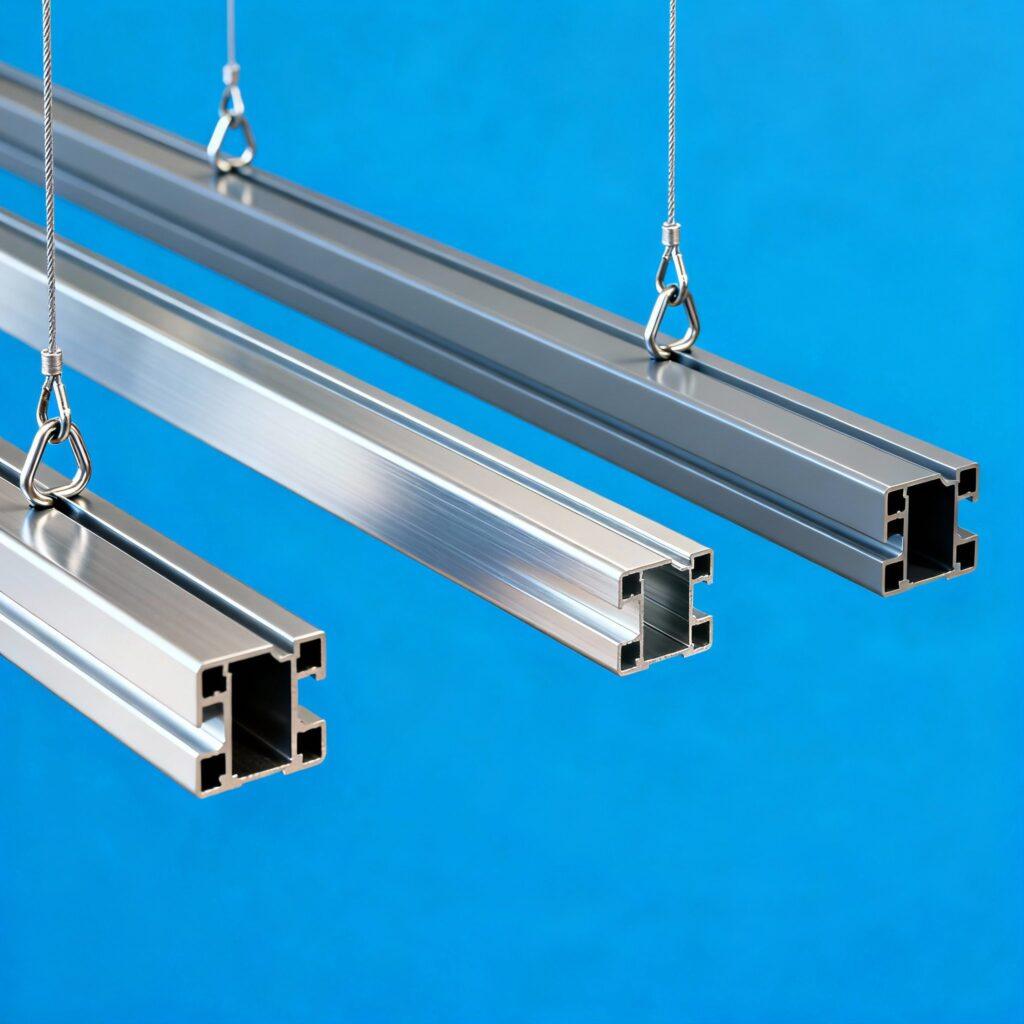
Benefits of powder coating aluminum extrusions
- Color freedom. Hundreds of standard colors plus custom matches, textures and metallics, so framing can match a design rather than a short list of anodized shades.
- Durability. A tough, flexible film that resists scratches during fabrication, installation and use.
- Weather and UV resistance. Super-durable and fluoropolymer powders hold color and gloss for many years outdoors.
- Corrosion protection. With proper pretreatment, powder seals aluminum against pitting and filiform corrosion.
- Consistency. Factory-controlled application gives uniform color across thousands of feet of profile.
- Hides imperfections. Powder covers die lines and minor extrusion marks that would show through anodizing.
- Environmental advantages. No solvents and near-zero VOCs.
Where powder-coated extrusions are used
| Application | Typical performance level |
|---|---|
| Interior storefronts and partitions | AAMA 2603 |
| Exterior windows and doors | AAMA 2604 |
| Storefront and entrance systems | AAMA 2604 |
| Curtain wall and high-rise framing | AAMA 2605 |
| Sunshades, louvers and fins | AAMA 2604 or 2605 |
| Railings, fences and canopies | AAMA 2604 |
| Coastal projects | AAMA 2605 |
Details on each level are in AAMA 2603 vs 2604 vs 2605.
How aluminum is prepared for powder coating
Aluminum does not rust like steel, but it is not ready to coat straight from the extrusion press. Its surface carries lubricants, handling soils and a natural oxide layer that varies from piece to piece. A typical preparation sequence includes:
- Cleaning with alkaline cleaners to remove oils and soils.
- Etching or deoxidizing to remove the uneven oxide and smut, creating a uniform surface.
- Conversion coating, typically a chrome-free treatment for architectural work, which chemically bonds to the aluminum and improves adhesion and corrosion resistance.
- Thorough rinsing, often with deionized water, so no salts remain.
- Drying before coating.
Some projects use mechanical preparation such as light blasting or scuffing, especially for refinishing. For architectural warranties, the powder manufacturer usually defines the required pretreatment. See powder coating surface preparation.
Preventing filiform corrosion
Filiform corrosion appears as thin, wandering threads under the coating that start at cut edges, fastener holes or scratches. It is driven by warm, humid air and chlorides, conditions common along the Gulf Coast. It is prevented mainly by proper cleaning, etching and conversion coating, along with sealing cut edges and touching up damage. Poorly pretreated aluminum is far more vulnerable.
Racking, film thickness and handling long profiles
- Racking: long extrusions are hung so they do not sag or touch, with hanging points at the ends or in hidden areas.
- Coverage: complex profiles with deep channels and thermal breaks need careful gun technique to reach inside corners without overbuilding outside edges.
- Film thickness: controlled to the powder’s range so color is even and snap-fit and glazing pockets still fit.
- Cure: thin aluminum heats quickly, so cure schedules are managed to avoid over-baking.
- Packaging: interleaving and protective wrap prevent rubbing during transport.
Thermally broken extrusions
Many window and storefront profiles include thermal breaks, polyamide strips or poured-and-debridged polyurethane, that separate the inside and outside of the frame. These materials must tolerate the cure temperature, and the coating sequence (before or after the break is installed) is set by the system manufacturer. Always confirm with the extrusion supplier before coating thermally broken profiles.
Fabrication before or after coating?
Coating extrusions after cutting, drilling and machining is ideal because every edge is protected. In practice, many systems are coated as full lengths and fabricated later. In that case, cut ends and drilled holes should be sealed or touched up, and fabrication should avoid scratching the finish. Discuss sequencing with your coater and fabricator early.
Shortening lead times with coated stock extrusions
Factory pre-finished extrusions can carry long lead times. For storefront and glass work, coaters can color-match standard extruder colors on raw aluminum stock, helping glazing contractors keep projects moving. See glass and mirror frame powder coating.
Specifying powder-coated extrusions
- Performance level: FGIA/AAMA 2603, 2604 or 2605
- Color by manufacturer code or RAL, gloss and texture
- Pretreatment suitable for architectural aluminum
- Dry film thickness per the powder data sheet
- Batch control for large building packages
- Packaging and handling requirements
- Touch-up paint for field fabrication and installation damage
Powder coating vs other finishes for extrusions
| Powder coating | Anodizing | PVDF liquid coating | Mill finish | |
|---|---|---|---|---|
| Appearance | Any color, gloss, texture or effect | Metallic; clear, bronze and black shades most common | Wide colors, low to medium gloss | Bare aluminum |
| Top performance | AAMA 2604; 2605 with fluoropolymer powders | AAMA 611 classes | AAMA 2605 | None |
| Hides extrusion marks | Yes | No; can highlight them | Yes | No |
| Field touch-up | Compatible paint | Difficult to match | Compatible air-dry paint | Not applicable |
| Solvents | None | None, but acid baths | Solvent-based | None |
For a deeper look at the most common comparison, read anodizing vs powder coating, and for liquid fluoropolymers, powder coating vs PVDF (Kynar).
Alloys and tempers
Most architectural extrusions are 6000-series alloys such as 6063 and 6061, which coat very well with proper pretreatment. Cure temperatures used for powder coating are generally compatible with these alloys in common architectural tempers, but for structural members or unusual alloys, confirm with the extruder or engineer that the cure cycle will not affect required mechanical properties. Castings and other alloys may need different preparation and can outgas during cure.
Quality checks for coated extrusions
- Visual inspection along the full length under good light
- Film thickness readings at several points on each profile type, measured with an eddy-current gauge for non-ferrous metals
- Color and gloss checks against the approved standard
- Adhesion checks on test panels where specified
- Verification that glazing pockets and snap-fit features remain within tolerance
See powder coating quality control.
Why architects favor powder-coated aluminum
For designers, the biggest advantage is freedom. Anodizing limits framing to a handful of metallic shades, while powder coating opens the full range of solids, textures, metallics and custom colors, so framing can disappear into a facade or become a bold design element. Powder also makes it easy to coordinate many components, such as windows, storefronts, railings, sunshades, column covers and trim, from different fabricators in one consistent color, as long as everyone uses the same powder product. And because high-performance powders meet AAMA 2604 and 2605, architects do not have to trade appearance for durability. See powder coating for architects.
Protecting coated extrusions on the job site
Coated extrusions are often fabricated, stored and installed over weeks or months. Store them flat, off the ground and under cover, with interleaving between pieces. Keep protective film or wrap in place until installation, but remove film within the time recommended by its manufacturer, because film left in the sun can bond to the coating. Clean mortar, sealant and concrete splatter promptly with water and mild detergent, never with acids or solvents. Touch up scratches and cut ends with compatible paint before the building is turned over.
Refinishing existing aluminum framing
Older buildings often have faded or chalky framing. Removable components such as louvers, sunshades, panels and railings can be stripped and recoated in the shop with a modern super-durable powder, often in a new color that updates the building. Installed window and curtain wall framing usually cannot be removed for oven curing; refinishing those in place requires field-applied coating systems designed for aluminum. A coater can help decide which elements can come to the shop and which need a field solution.
Cost and lead-time considerations
Coating cost for extrusions depends on profile size and complexity, length, AAMA level, color and quantity, plus packaging. Standard colors in AAMA 2604 powders are the most economical; 2605 fluoropolymers, metallics with clear coats and custom colors cost more. Grouping all of a project’s extrusions in one color and batch lowers cost and improves consistency. See how much does powder coating cost.
Coating extrusions for coastal and humid sites
Houston’s humidity and Gulf Coast salt are hard on aluminum finishes, especially at cut edges and fasteners. For these sites, insist on full chemical pretreatment, consider AAMA 2605 powders for exposed elevations, seal cut ends and use fasteners and isolators that prevent galvanic corrosion. Regular rinsing to remove salt helps the finish last. See corrosion-resistant coatings for the Gulf Coast.
Powder coating aluminum extrusions in Houston
H-Town Coaters coats aluminum extrusions for glazing contractors, storefront fabricators and architectural metal shops from our Houston shop, with AAMA-rated powders matched to each project. Learn about our architectural powder coating or send your profiles and specification through the free quote form.
Frequently asked questions
To add color, UV resistance and corrosion protection in a durable, solvent-free finish that meets AAMA performance standards for buildings.
Yes. Aluminum forms an oxide layer and carries oils from extrusion. Cleaning, etching and a conversion coating are needed for adhesion and corrosion resistance.
Thread-like corrosion that creeps under coatings on aluminum, usually from cut edges or scratches, especially in warm, humid or salty air. Proper pretreatment prevents it.
Yes, within the length limits of the coater’s oven and line. Long profiles are hung carefully to avoid sagging and contact marks.
It offers far more colors, hides extrusion marks and is easy to match across components. Anodizing gives a metallic, integral finish. The best choice depends on the design.
Yes, with compatible touch-up paint, but it is better to cut and fabricate before coating whenever possible.
Jarod grew H-Town Coaters from Cutting Edge Powder Coating into a process-driven coating partner for manufacturers, fabricators, contractors and businesses across the Houston area. More about H-Town · LinkedIn