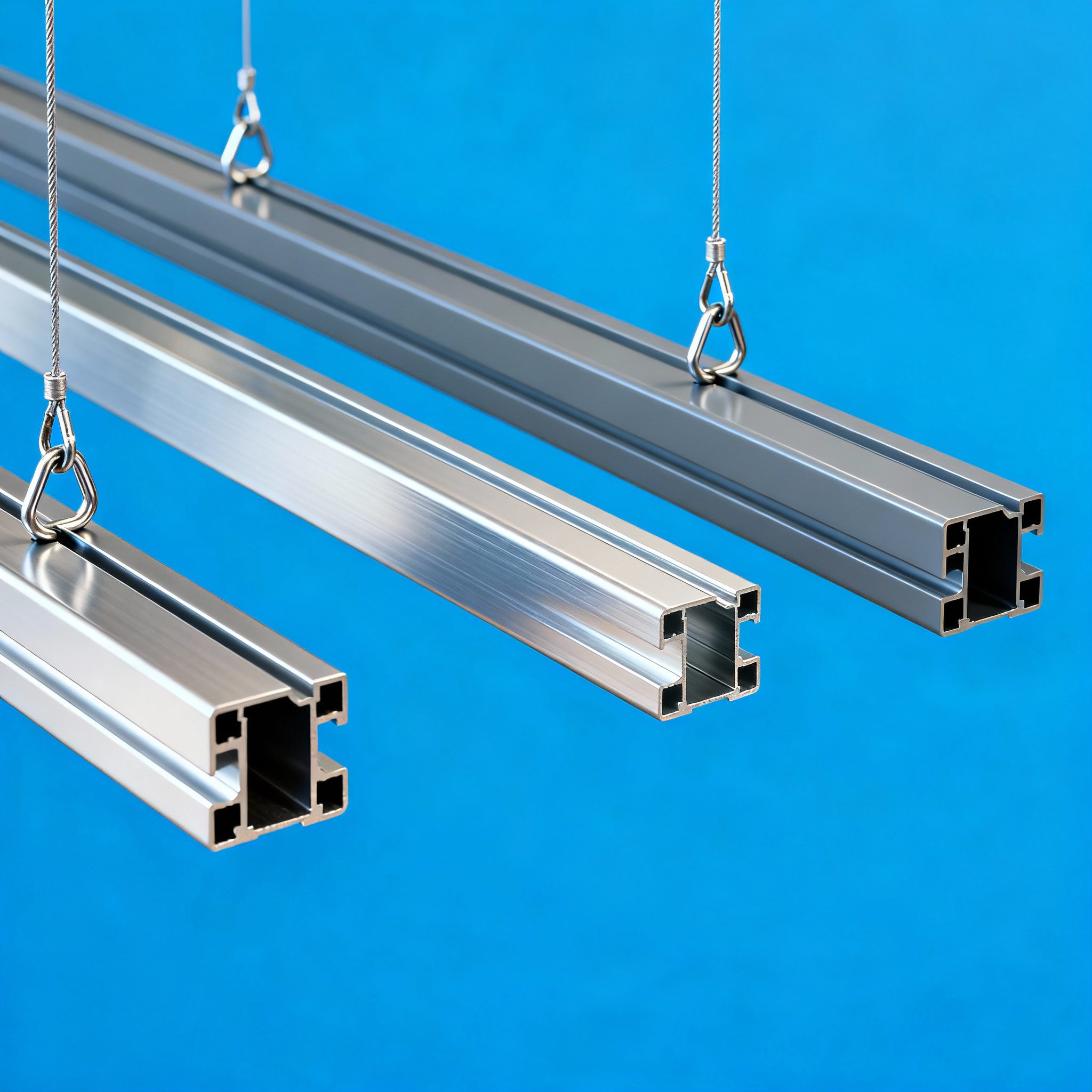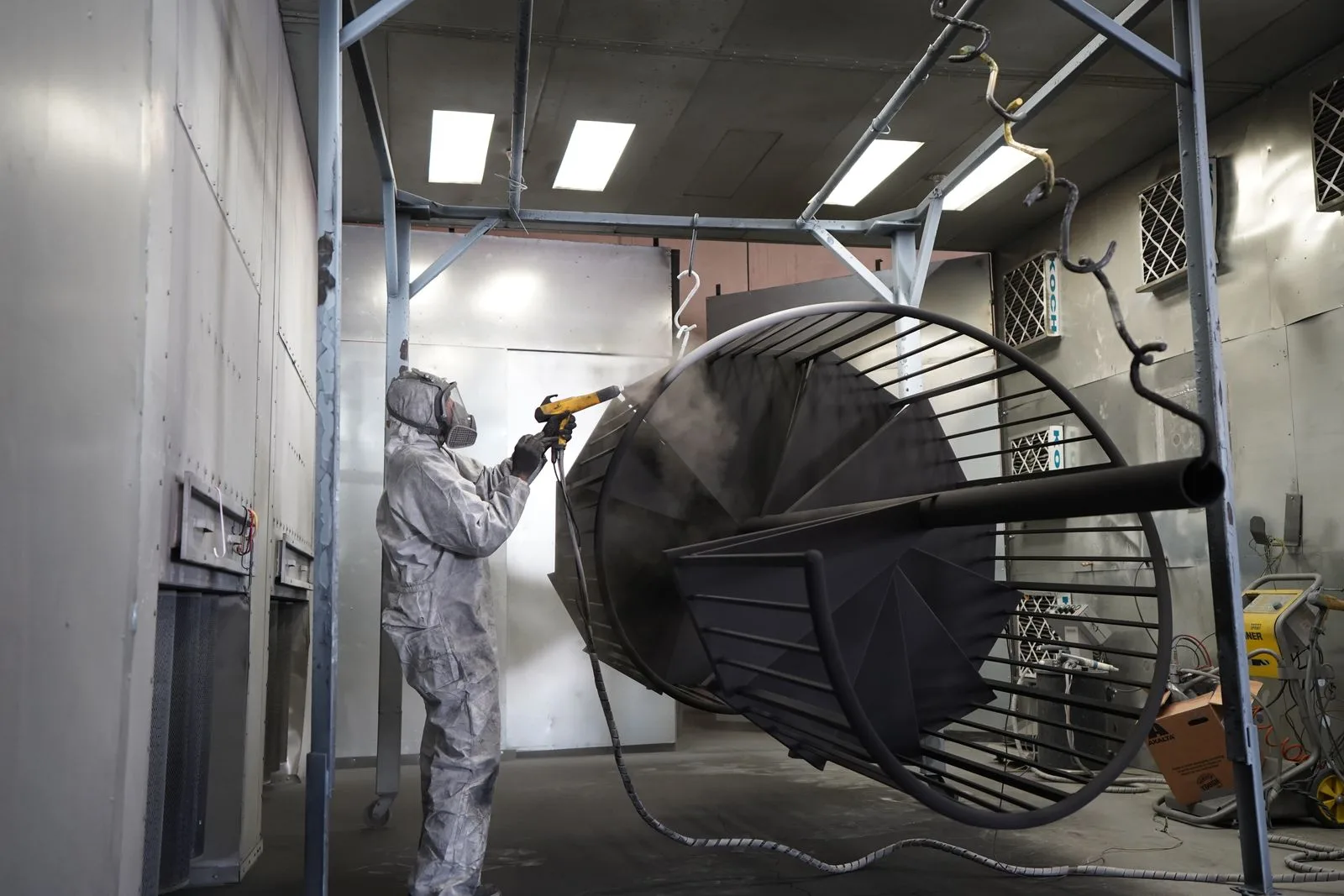

Powder coated window frames are aluminum window, door and storefront frames finished with a durable, oven-cured powder, usually rated to AAMA 2604 or 2605. They give commercial buildings long-lasting color in almost any shade. Success depends on choosing the right performance level, approving physical color samples, coordinating with the glazing contractor and protecting frames during construction.
 By Jarod Hammar, Owner of H-Town Coaters · Published · Updated
- Most commercial window frames use AAMA 2604 powders; 2605 suits high-rise and coastal sites.
- Approve colors on coated aluminum samples, viewed with the actual glass.
- Coordinate coating schedules with the glazing contractor and extrusion supplier early.
- Protect frames from mortar, sealants and abrasion during construction.
- Regular gentle cleaning keeps frames looking new for many years.
Window frames are one of the most visible parts of a commercial building, and one of the hardest to replace. The finish on them has to look right on opening day and keep looking right for decades of sun, rain, cleaning and use. Powder coating has become the standard finish for commercial window, door and storefront frames because it delivers that durability in nearly any color. This guide walks through how to specify powder-coated window frames, coordinate the work and protect the finish. It is part of our architectural powder coating guide.
Why commercial projects choose powder coated frames
Owners and architects choose powder coating for window frames for three main reasons. First, color: frames can be specified in classic bronzes and blacks, crisp whites, modern grays, brand colors or anodized-look metallics, rather than the small palette anodizing offers. Second, performance: super-durable powders certified to AAMA 2604, and fluoropolymer powders certified to AAMA 2605, are proven by years of outdoor exposure testing to hold color and gloss. Third, practicality: powder hides extrusion marks, keeps color consistent across thousands of feet of framing and allows touch-up during construction. For a direct comparison with anodizing, see anodizing vs powder coating.
Choosing the performance level
For most low- and mid-rise commercial buildings, AAMA 2604 is the right choice: it balances long-term color retention with cost. AAMA 2605 is worth specifying for high-rise curtain wall, coastal and waterfront buildings, monumental projects and bold colors on sunny elevations, where recoating would be difficult and fading would be obvious. AAMA 2603 is generally reserved for interior frames and partitions. Write the level into the specification rather than naming a single product, so suppliers can compete on performance. Details are in AAMA 2603 vs 2604 vs 2605.
Selecting the color
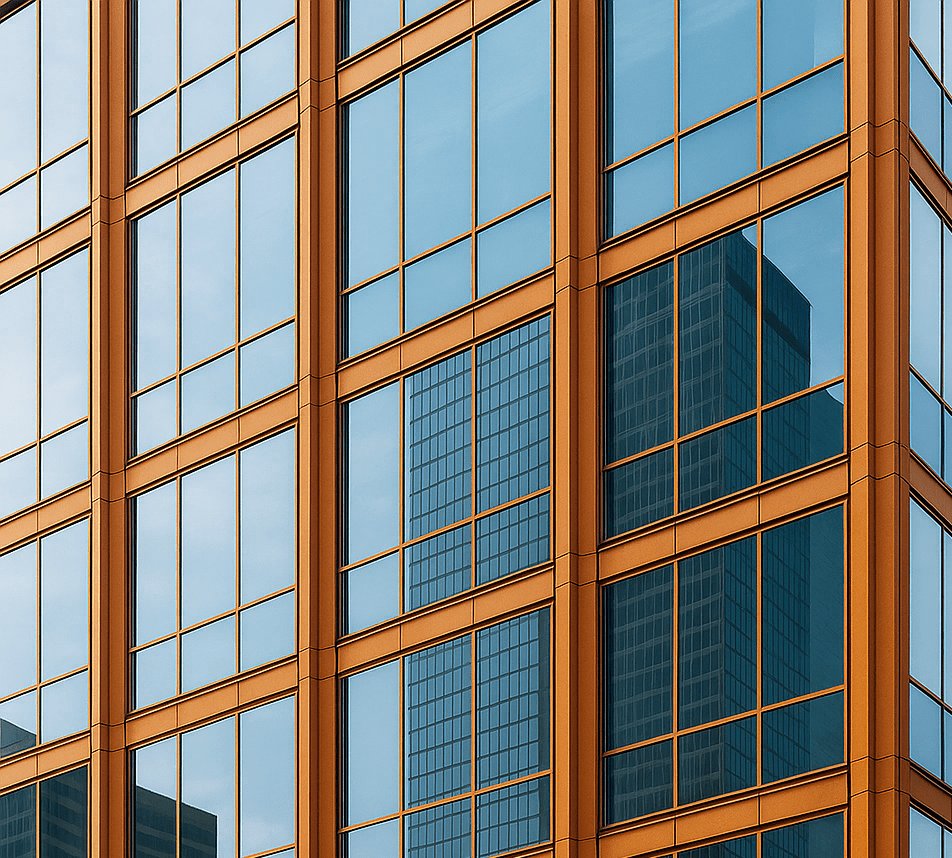
Window frame color interacts with glass. Tinted, reflective or low-e glass changes how a frame color reads from outside, and interior lighting changes it from inside. Approve colors on coated aluminum samples placed against the actual glass, viewed outdoors in daylight. Specify the powder manufacturer’s product code, gloss and texture, and request batch control for the full project. Dark colors absorb more heat and benefit most from 2605-level powders. See powder coating color matching.
Coordinating with the glazing contractor
Most commercial window frames move through several hands: extruder, coater, glazing contractor or fabricator and installer. Good coordination prevents delays and finish problems:
- Confirm who orders coating. Usually the glazing contractor or fabricator contracts the coater directly.
- Share the specification early, including AAMA level, color, gloss and any warranty requirements.
- Agree on sequencing for thermally broken profiles and whether lengths are coated before or after fabrication.
- Plan quantities with extra lengths for cutting waste and replacements, all from the same powder batch.
- Set delivery dates around the installation schedule, with packaging that protects finishes.
Coaters can also color-match standard extruder colors on raw aluminum stock, which can help when pre-finished extrusions carry long lead times.
Preparation and application for window extrusions
Window extrusions are prepared with cleaning, etching and a conversion coating suited to architectural aluminum, then coated and cured. Complex profiles with glazing pockets, weep channels and thermal break cavities need careful application to reach inside corners without building excess film on edges. Film thickness is held to the powder manufacturer’s range so glazing gaskets, snap-in beads and hardware still fit. Long lengths are racked to prevent sagging and contact marks. See powder coating aluminum extrusions.
Protecting frames during construction
Many finish problems on window frames happen on the job site, not in the coating shop. Keep frames wrapped or filmed until installation, and remove protective film within the period its manufacturer recommends. Store frames flat, off the ground and covered. Protect installed frames from mortar, plaster, concrete splatter, masonry cleaners and sealant smears, and clean any splashes promptly with water and mild detergent. Never use acid washes or solvents near coated frames. Touch up scratches with compatible, color-matched paint before turnover.
Maintenance for building owners
Powder-coated frames need only gentle routine care. Clean them when the glass is washed, at least a couple of times a year, with mild detergent, soft cloths or brushes and a clean water rinse. Coastal buildings should be rinsed more often to remove salt. Inspect sealant joints and finish condition periodically, and touch up chips before corrosion can start, especially at cut edges and fasteners. FGIA/AAMA publishes cleaning guidance for coated aluminum that building managers can follow. See powder coating maintenance.
Common mistakes on window frame projects
- Approving color from a printed chart instead of coated aluminum samples
- Specifying a product name without an AAMA performance level
- Splitting framing between suppliers using different powders
- Ordering too little powder for later phases and replacements
- Leaving protective film on for months in the sun
- Cleaning mortar and masonry residue with acids near frames
Color trends in commercial window frames
Commercial frame colors have shifted over the past decade. Dark bronzes and clear anodized finishes, once the default, now share space with matte and satin blacks, charcoal and anthracite grays, warm whites and, on some projects, bold accent colors that tie into a brand. Black and dark gray frames create a crisp, modern line around glass and are popular on offices, retail and multifamily buildings. Lighter frames suit traditional and coastal designs and stay cooler in the sun. Whatever the palette, the most durable approach is to choose a color available in a super-durable or fluoropolymer powder and to approve it on a physical sample against the specified glass.
Heat, dark colors and Houston sun
Dark frames absorb more solar energy and run noticeably hotter than light ones in direct sun. That heat speeds up UV aging and increases thermal expansion of the aluminum, which puts extra stress on sealant joints and glazing gaskets. None of this rules out dark frames in Houston, but it is a reason to use high-performance powders, allow for movement in the system design and follow the window manufacturer’s guidance on dark colors. AAMA 2605 powders are a sensible upgrade for dark frames on west- and south-facing elevations.
Matching frames, doors and accessories
A commercial elevation often includes window frames, entrance doors, storefront framing, louvers, sunshades, railings and trim, sometimes from different manufacturers. When all of these must match, the simplest path is to name one powder product and color code in the specification and require every supplier to use it. When that is not possible, approve samples from each supplier side by side before production. Small differences in gloss or metallic orientation are much easier to resolve at the sample stage than on the building. See powder coating color matching.
Replacement and repair parts
Over a building’s life, frames get damaged by impacts, door hardware gets replaced and tenant improvements add new openings. Keeping records of the powder manufacturer, product code, gloss and batch for the original job lets replacement parts be coated to match. Without those records, matching a weathered frame becomes trial and error. Building owners should keep this information with their operations and maintenance manuals.
Specification checklist for powder coated window frames
- Performance standard: FGIA/AAMA 2604 or 2605
- Powder manufacturer, product code, color name, gloss and texture
- Pretreatment appropriate for architectural aluminum
- Dry film thickness per the powder manufacturer’s data sheet
- Single batch or batch control for the full project, with extra material for replacements
- Coating sequence for thermally broken profiles
- Protective packaging and job-site protection requirements
- Color-matched touch-up paint supplied with the frames
- Warranty terms and documentation for closeout
Budget and value
On most commercial projects, the finish is a modest part of the window package cost, yet it determines how the building looks for decades. Spending a little more for a higher performance level, careful color approval and good job-site protection costs far less than recoating or replacing frames later, which can require scaffolding, glass removal and tenant disruption. For a breakdown of what drives coating costs, see how much does powder coating cost.
Interior frames and partitions
Interior storefronts, office partitions and interior glazing frames do not face sun and rain, so AAMA 2603 powders are often sufficient. The priorities shift to color coordination with interior finishes, cleanability and scratch resistance in busy corridors. Satin and textured finishes hide fingerprints and minor scuffs better than high gloss.
The takeaway
Choose the right AAMA level, approve color on real samples with the actual glass, coordinate early with the glazing contractor and protect frames on site. Those four steps deliver window frames that look sharp at opening and for years after.
Powder coated window frames in Houston
H-Town Coaters coats window, door, storefront and curtain wall extrusions for glazing contractors and fabricators across Greater Houston from our shop at 6100 Brittmoore Rd. Learn about our architectural powder coating and glass and mirror frame coating, or send your specification through the free quote form.
Frequently asked questions
Yes. With proper aluminum pretreatment and an AAMA 2604 or 2605 powder, window frames hold color and resist corrosion for many years.
Almost any: architectural bronzes, blacks, whites, grays, brand colors, textures and anodized-look metallics.
Installed frames cannot be oven cured in place. Removable components can be shop coated; installed frames need field-applied coatings or replacement.
Wash with mild detergent and water using a soft cloth, rinse and dry. Avoid abrasive pads, solvents and harsh cleaners.
Thermally broken frames must be coated in the sequence the system manufacturer specifies so the thermal break materials are not damaged by cure heat.
Typical turnaround is 5 to 10 business days, depending on quantity and finish, with exact timing in each quote.
Jarod grew H-Town Coaters from Cutting Edge Powder Coating into a process-driven coating partner for manufacturers, fabricators, contractors and businesses across the Houston area. More about H-Town · LinkedIn