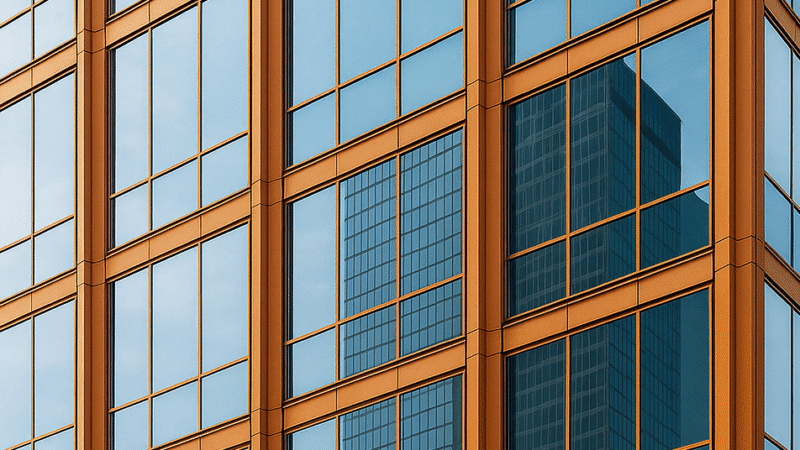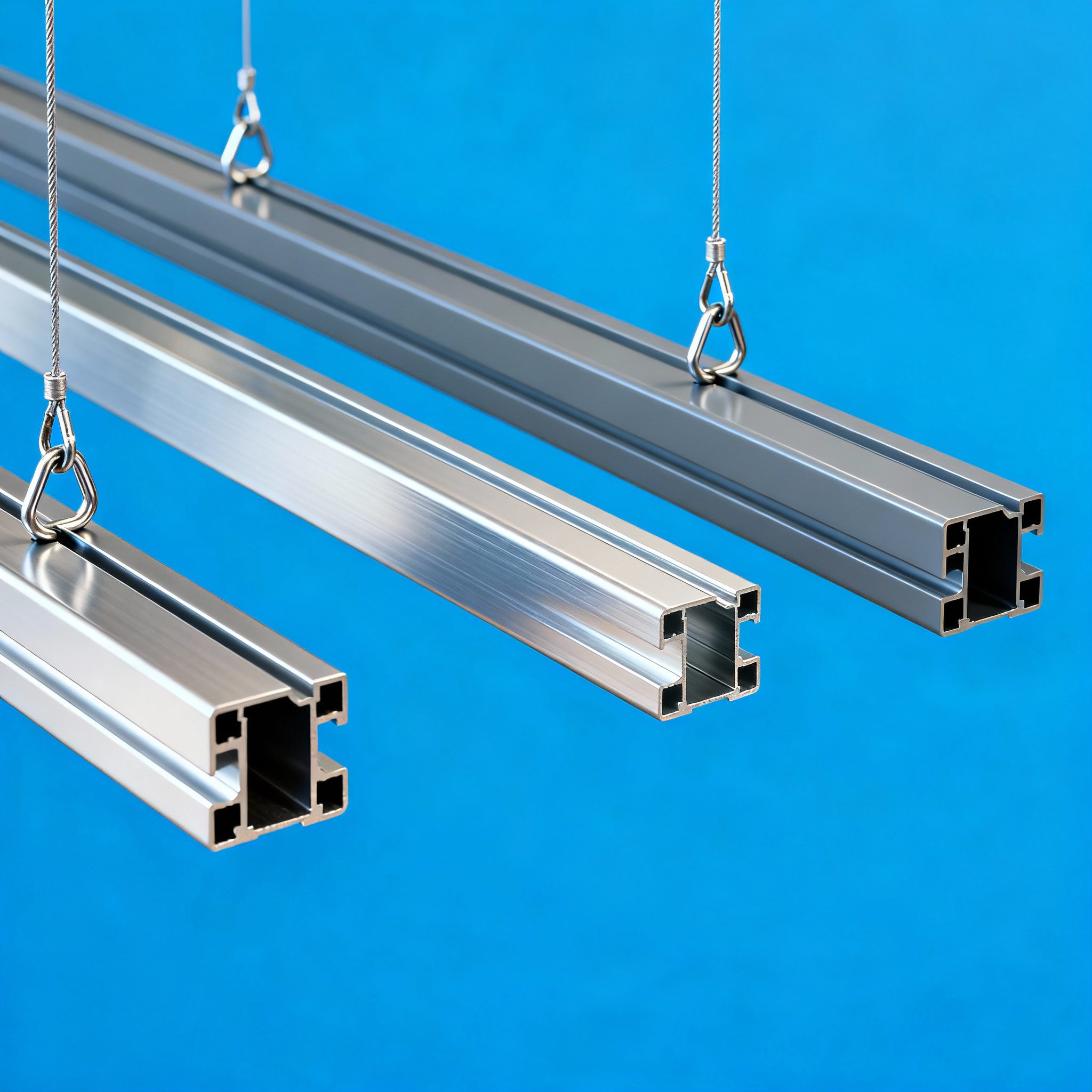

Glass and mirror frame powder coating finishes the aluminum channels, frames, shower door hardware and storefront components that hold glass. Glass shops use it to offer more colors, match standard extruder finishes on raw aluminum stock and avoid long lead times on pre-finished extrusions. Good results depend on aluminum pretreatment, controlled film thickness so glass and gaskets still fit, and careful packaging.
 By Jarod Hammar, Owner of H-Town Coaters · Published · Updated
- Powder coating lets glass shops offer black, bronze, brushed and custom finishes on frames and channel.
- Coaters can match standard extruder colors on raw aluminum to shorten lead times.
- Film thickness must stay controlled so glass, gaskets and snap-together parts still fit.
- Wet areas like showers need proper pretreatment and moisture-resistant powders.
- Ordering all pieces for a job in one batch keeps colors consistent.
Glass gets the attention, but the frame decides how a glass installation looks. Mirror frames, shower enclosures, storefront channel, railing caps and display cases all rely on aluminum components whose finish has to match the design and survive daily use. Powder coating gives glass shops and glazing contractors far more finish options than stock extrusions, often with shorter lead times. This guide explains how powder coating fits glass and mirror work, what to watch for and how to get consistent results. It is part of our architectural powder coating guide.
What glass and mirror components are powder coated?
- Mirror frames and decorative mirror trim
- Shower door frames, header bars, channels and U-channel
- Storefront and interior glazing channel, including snap-together systems
- Glass railing base shoe, cap rail and standoffs
- Display case and retail fixture frames
- Office partition and door frames
- Canopy and awning frames that hold glass panels
- Hardware components that can be disassembled and coated
Why glass shops choose powder coating
Stock aluminum for glass work usually comes in a few finishes: clear anodized, bronze and sometimes black. Designers increasingly ask for matte black, warm bronzes, brushed metal looks, whites and custom colors that coordinate with fixtures and hardware. Powder coating opens that full range. It also solves a scheduling problem. Pre-finished extrusions can carry long lead times from the extruder, while raw mill-finish stock is often available quickly. Coaters can color-match standard extruder colors on raw aluminum, so a glass shop can keep stock in mill finish and coat what each job needs. That flexibility helps shops quote shorter timelines and handle change orders without waiting weeks for new material.
Popular finishes for glass and mirror work
| Finish | Where it is used | Notes |
|---|---|---|
| Matte or satin black | Shower enclosures, mirrors, modern storefronts, partitions | The most requested modern look; hides fingerprints better than gloss |
| Bronze tones | Storefronts, traditional interiors, hospitality | Can match standard architectural bronzes |
| Brushed nickel and stainless looks | Bathrooms, hospitality, retail | Metallic powders, often with a clear coat |
| Champagne and gold tones | Mirrors, luxury interiors, hospitality | Approve metallic samples in the actual lighting |
| White | Clean, contemporary interiors and medical spaces | Shows dirt but is easy to clean |
| Custom colors | Brand and designer specifications | Matched from a sample or color code |
Browse options in our RAL color library.
Preparing aluminum glass components
Glass system components are almost always aluminum, which needs cleaning, etching and a conversion coating before powder for strong adhesion. Raw stock may carry lubricants and handling marks from extrusion and cutting. Proper preparation is especially important for shower and wet-area components, where constant moisture and cleaning products test adhesion. See powder coating aluminum extrusions.
Fit and film thickness
Glass work is a game of small tolerances. Channel that holds glass, gasket pockets and snap-together components can bind if coating builds up in the wrong places. Professional coaters control film thickness to the powder manufacturer’s range and mask fit-critical surfaces when needed. Glass shops can help by noting which surfaces are visible and which are fit-critical, and by test-fitting coated sample pieces before a large run. Remember that both sides of a snap joint may be coated, so allowances add up.
Disassembly and masking
Everything that goes into the oven sees the cure temperature, so rubber gaskets, vinyl glazing beads, plastic end caps, adhesive pads and, of course, glass must be removed before coating. Threads on hardware and pivot surfaces are masked. Shops that send fully disassembled, labeled components get faster, cleaner results and fewer surprises during reassembly.
Durability in wet and high-touch areas
Shower enclosures and bathroom mirrors live in steam, splashes and cleaning chemicals. Properly pretreated aluminum with a quality powder handles this well. Owners should clean with mild soap or non-abrasive bathroom cleaners and a soft cloth, and avoid scouring pads, abrasive powders and harsh solvents. In commercial restrooms and hotels, satin and matte finishes hide water spots and fingerprints better than high gloss. For storefronts and lobbies with heavy foot traffic, see commercial railing and storefront powder coating.
Keeping color consistent across a job
A glass installation may include channel, frames, hardware covers and railing parts coated at different times. To keep everything matching, use one powder product for the job, coat all visible pieces together when possible, order a little extra for remakes and record the product code and batch. When hardware from a manufacturer must be matched, send a sample piece so the coater can compare. See powder coating color matching.
Packaging and handling finished parts
Long, thin channel and frames are easy to scratch and bend. Finished parts should be wrapped or interleaved, bundled by job and labeled so installers can find pieces quickly. Installers should keep protective wrap on until pieces are in place and handle coated parts with clean gloves.
How a typical glass shop job flows
- Quote. The glass shop sends a cut list or photos, finish, quantity and deadline.
- Sample approval. For new finishes, a coated sample piece is approved, ideally next to the actual hardware.
- Delivery of raw stock or cut parts. Parts arrive clean, disassembled and labeled by job.
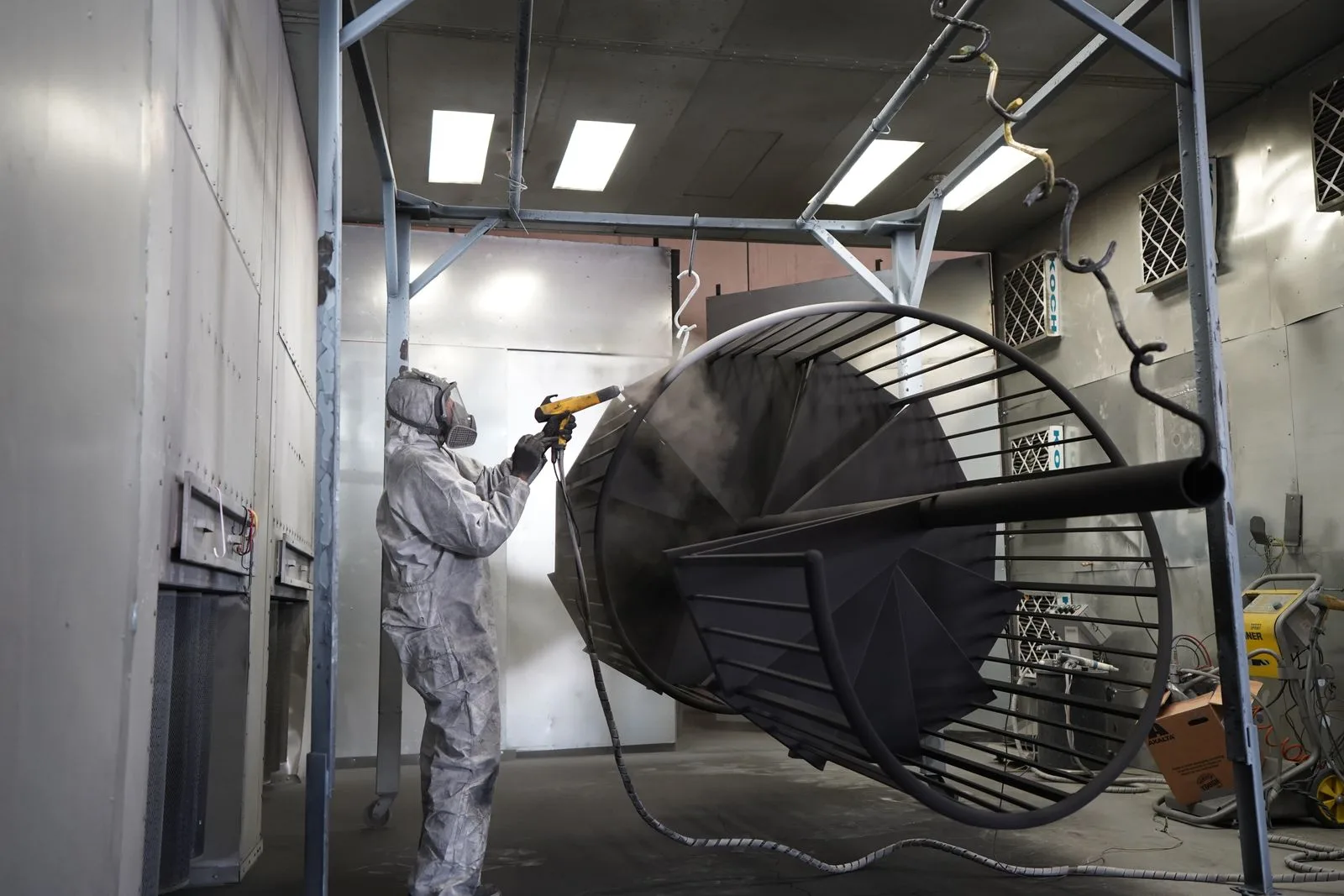
- Preparation and coating. Aluminum is cleaned and pretreated, masked where needed, coated and cured.
- Inspection. Pieces are checked for coverage, color and fit-critical surfaces.
- Packaging and pickup. Parts are wrapped, bundled and labeled for the installation crew.
Shops that run repeat finishes often send work on a regular schedule, which keeps lead times predictable and lets the coater keep their powders in stock.
Coat full lengths or cut pieces?
There are two common approaches. Coating full-length raw stock lets the glass shop cut pieces to size as jobs come in, but cut ends are left bare and need touch-up or sealing, especially in wet areas. Coating pieces after cutting and machining protects every edge and gives the best finish, but requires accurate cut lists and slightly more planning. Many shops use full lengths for interior partitions and storefront channel, and cut pieces for showers and visible decorative frames where every edge shows.
Refreshing existing installations
Hotels, restaurants, offices and retail stores often want to update dated brass, chrome-look or bronze frames without replacing glass systems. When frames and hardware can be removed, they can be stripped, prepared and powder coated in a modern finish, then reinstalled with new gaskets. This can transform restrooms, lobbies and storefronts at a fraction of replacement cost. A glass contractor typically handles removal and reinstallation while the coater refinishes the metal.
Working with designers and architects
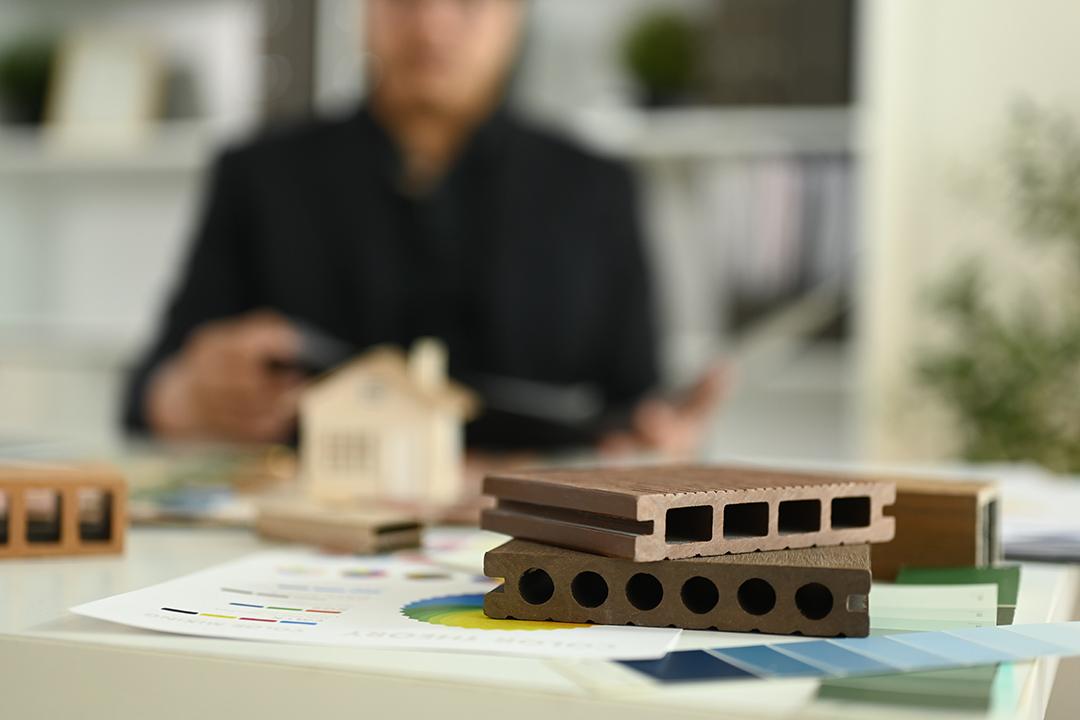
Interior designers increasingly specify glass hardware and frames to match plumbing fixtures, lighting and door hardware. Ask for the exact finish reference, such as a hardware manufacturer’s finish name or a physical sample, early in the project. Metallic finishes like brushed nickel or champagne vary a lot between manufacturers, so approving a coated sample under the space’s lighting avoids disappointment after installation. Designers can also explore textured and patina finishes for statement mirrors and partitions; see Polychrotina aged-metal finishes.
Common mistakes on glass frame jobs
- Sending assembled parts with gaskets, plastic caps or glass still attached.
- Not flagging fit-critical surfaces, leading to channel that binds or snap parts that will not close.
- Choosing a metallic from a swatch instead of approving a coated sample next to the real hardware.
- Splitting one job across batches without recording the powder product, causing slight color differences.
- Leaving cut ends bare in showers and other wet areas.
- Cleaning with abrasive bathroom products that dull the finish over time.
Exterior glass applications
Storefronts, glass railings on balconies and pool areas, and canopy frames live outdoors in sun, rain and, near the coast, salt air. Exterior components should use UV-stable architectural powders, typically AAMA 2604, with full aluminum pretreatment. Pool-area railings also see chlorine and should be rinsed regularly. See AAMA 2603 vs 2604 vs 2605.
What to send for a glass frame quote
- Cut list or drawings with lengths and profile part numbers
- Quantity per profile, including extra pieces for remakes
- Finish by color code, sample or hardware reference, plus gloss
- Interior, wet-area or exterior use
- Fit-critical surfaces to mask and any parts to leave uncoated
- Installation date so the work can be scheduled
Clear information up front means fewer remakes, better color matches and faster turnaround for the installation crew.
Glass and mirror frame powder coating in Houston
H-Town Coaters works with glass shops and glazing contractors across Greater Houston on mirror frames, shower enclosures, storefront channel and railing components, including color matches of standard extruder finishes on raw aluminum. Learn more on our glass and mirror powder coating page or send your job through the free quote form.
Frequently asked questions
Yes. Aluminum frames, channels, header bars and many hardware components can be powder coated, as long as glass, rubber and plastic parts are removed first.
Pre-finished extrusions can have long lead times and limited colors. Coating raw stock locally can match standard extruder colors and deliver faster.
It adds a thin film, so fit-critical surfaces are masked or film thickness is controlled to keep glass, gaskets and snap-together components fitting properly.
Yes, with proper aluminum pretreatment and a durable powder. Matte black and brushed finishes are popular; avoid abrasive cleaners to protect the finish.
Often. Powders can match many hardware colors such as matte black, oil-rubbed bronze looks and brushed nickel looks. Approve a sample first.
Typical turnaround is 5 to 10 business days depending on quantity and finish; each quote gives a specific timeline.
Jarod grew H-Town Coaters from Cutting Edge Powder Coating into a process-driven coating partner for manufacturers, fabricators, contractors and businesses across the Houston area. More about H-Town · LinkedIn